
Durango Mexican food doesn’t get the spotlight that dishes from Oaxaca or Jalisco often do. But for me, this cuisine is personal. Both my parents are from Durango. These recipes have been part of my family’s story for generations.
From hearty beef soups to aged cheeses, Durango’s food reflects the history of the tough, resourceful people who made this rugged land their home.
Who Am I?
You might be wondering what makes me qualified to write about Durango Mexican food.
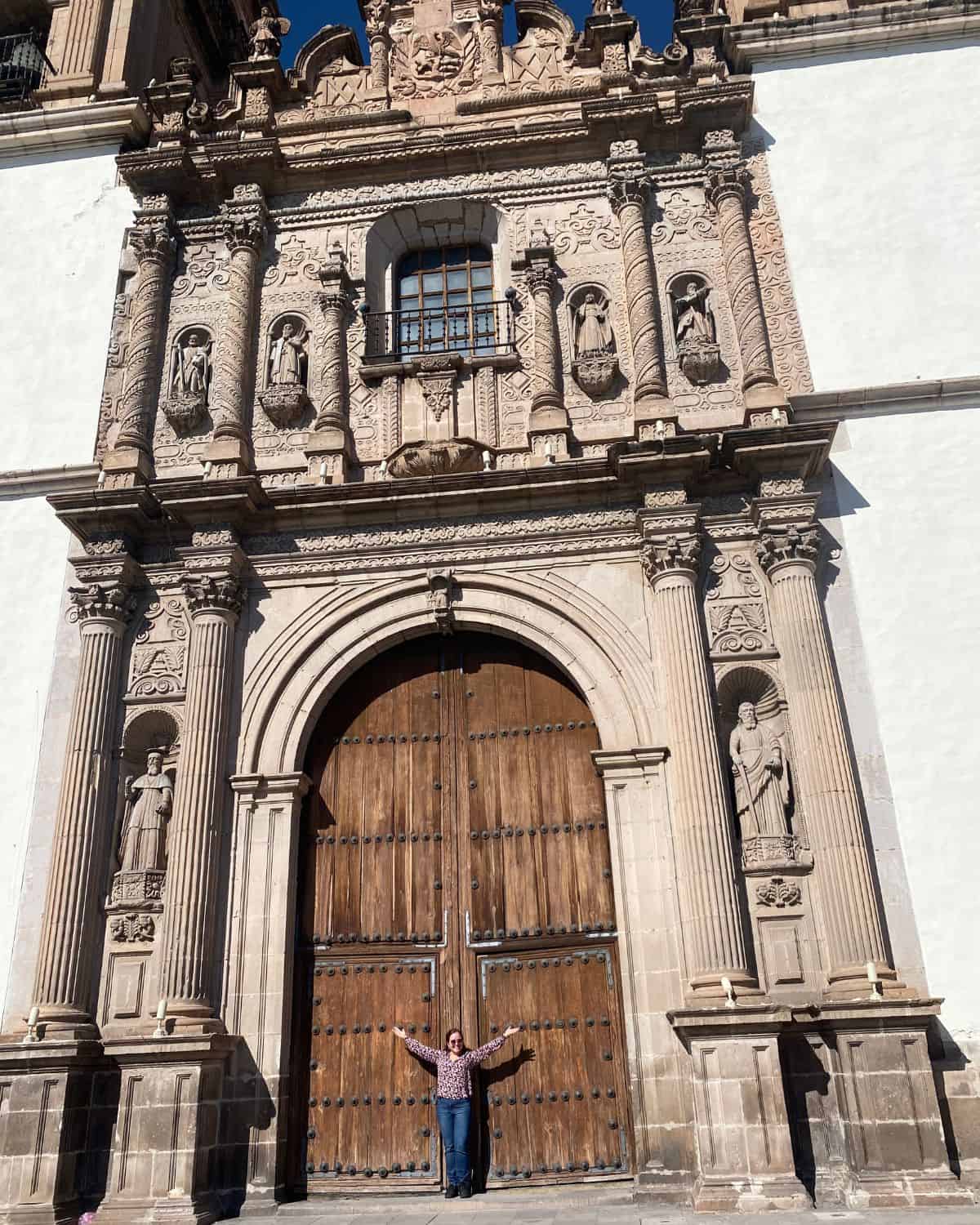
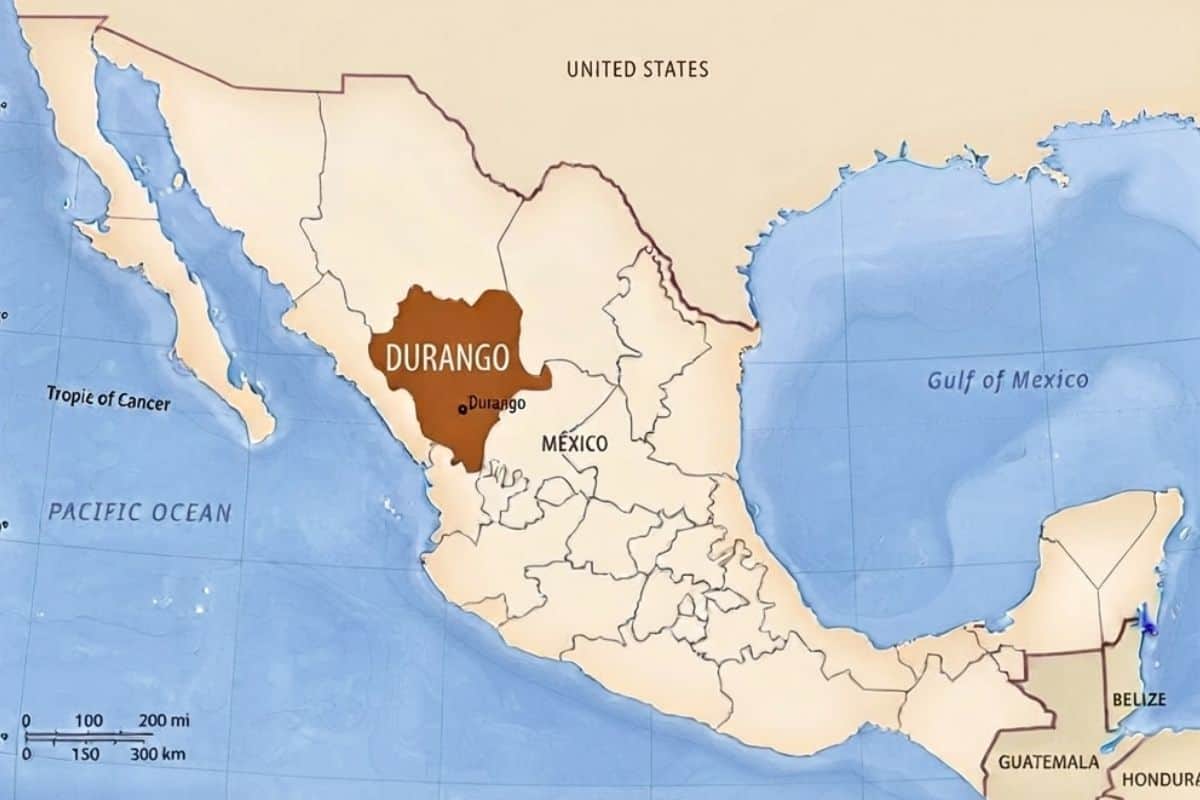
My father’s family is from Canatlán, but he now lives in Durango City, Durango. My mother’s family is from Francisco I. Madero, where my great-great-grandfather is buried.
Growing up, whether at home in Los Angeles or visiting family in Durango, I learned firsthand about the foods and traditions that make this region special.
And no… I don’t eat scorpions. More about me.
What Did People Eat Before the Spanish Arrived?
Long before the Spanish arrived, Durango was home to Indigenous groups like the Tepehuanes, Acaxees and Xiximes peoples. Much of the state is made up of mountains, grasslands, and desert, so people learned to make the most of what the land provided.
They hunted deer, wild turkey, rabbit, and other game. They gathered nopales (cactus paddles), mesquite pods, wild herbs, and edible plants. Corn, beans, and squash also became important foods and formed the foundation of many meals.
Since food wasn’t always easy to find, people learned how to preserve it. Meat, chiles, and fruit were dried so they could be stored for months or taken on long journeys.
I remember harvest time on my family’s ranch. We spent days making apricot jam, preserving fruit, and hanging chiles and meat to dry. Those traditions are still part of Durango cooking today.
How Did the Spanish Change Durango’s Food?
Spanish settlers arrived in the 1500s looking for silver and other valuable minerals hidden in the mountains. They brought cattle, pigs, sheep, wheat, and new cooking techniques.
Over time, indigenous ingredients like corn, beans, and chiles blended with European meats, cheeses, and breads. That combination became the foundation of Mexican cuisine, but Durango developed its own style because of its high desert climate.
Unlike southern Mexican states known for tropical fruits, seafood, and rich moles, Durango’s food is hearty and simple. Beef, pork, potatoes, dried chiles, cheese, and preserved foods are common because they worked well in the region’s dry climate.
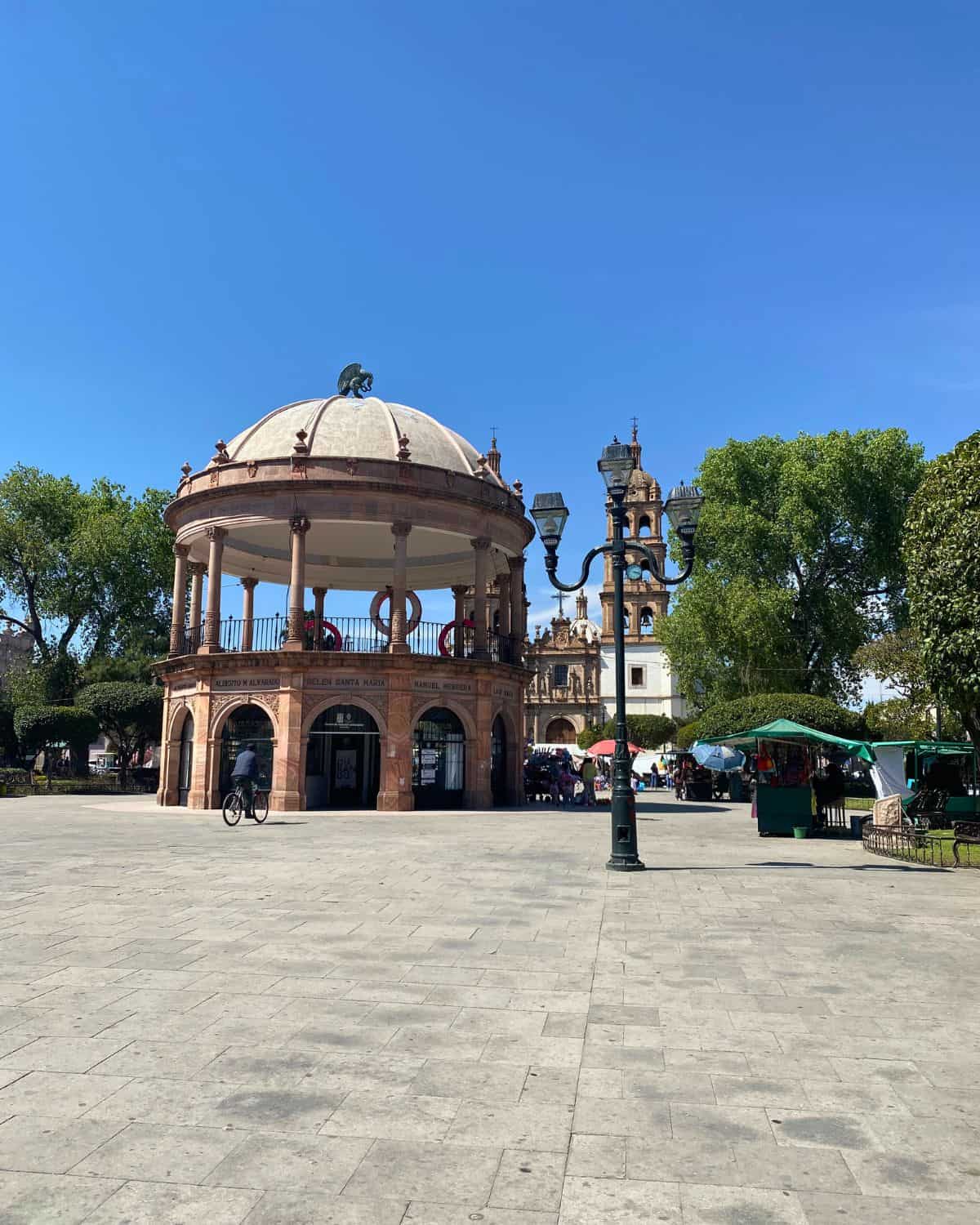
Why Is Durango Known for Beef?
Durango has wide-open grasslands that are perfect for raising cattle. Ranching has been part of life here for centuries, which is why beef plays such a big role in the local cuisine.
You’ll find beef grilled, roasted, dried into machaca, or slowly simmered in soups and stews that warm you from the inside out.

What Is Durango’s Most Famous Dish?
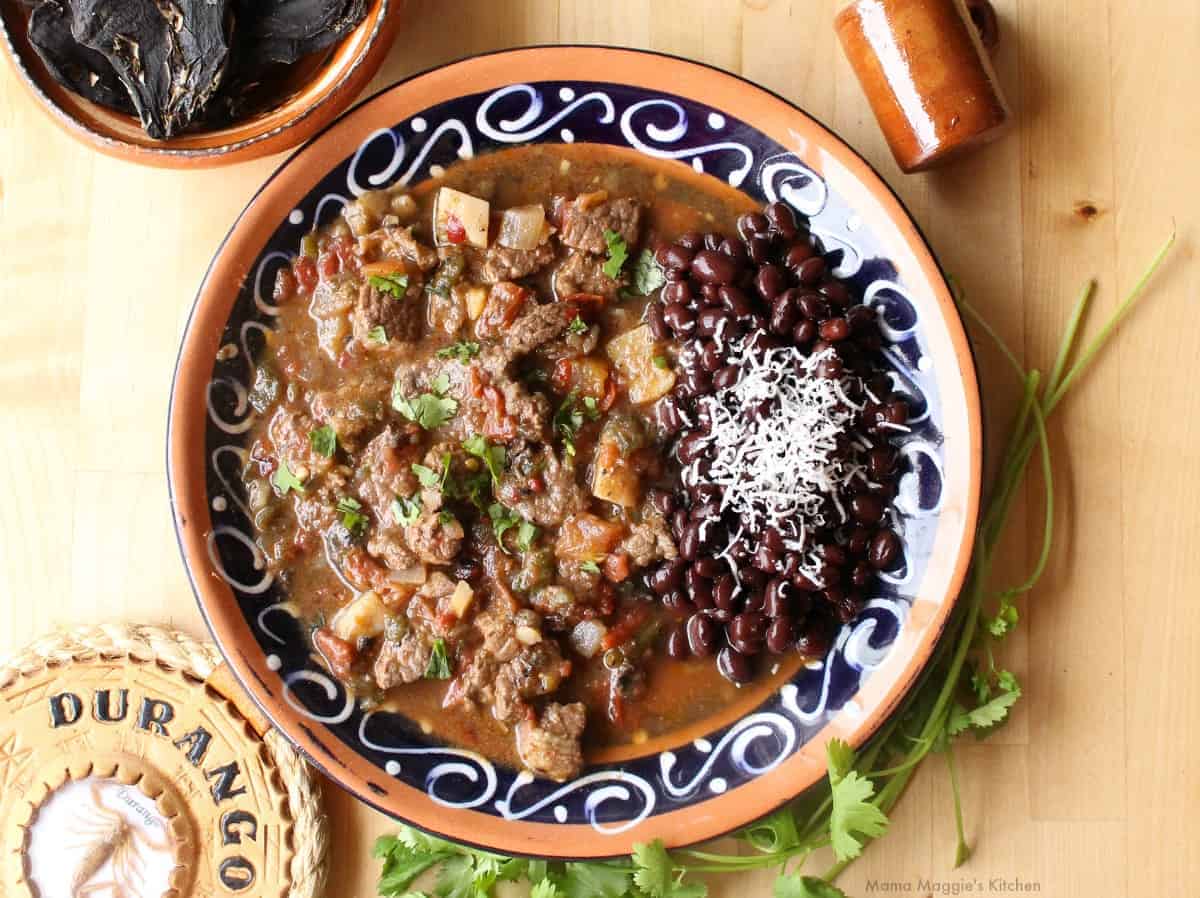
If Durango had an official dish, it would probably be Caldillo Durangueño.
This comforting beef and green chile soup is considered the state’s signature recipe. During the late 1800s, railroad workers needed simple, filling meals they could cook over a fire. What started as a basic potato soup eventually became a hearty meal made with beef, roasted green chiles, tomatoes, onion, garlic, and potatoes.
Growing up, caldillo durangueño (also called caldillo duranguense) wasn’t something we ordered at restaurants. It was made at home for family gatherings and special celebrations like weddings and baptisms. Today, you’ll find it served in restaurants throughout Durango.
Fun fact: Pancho Villa reportedly loved caldillo durangueño.
Cheese, Apples, and Sweet Treats
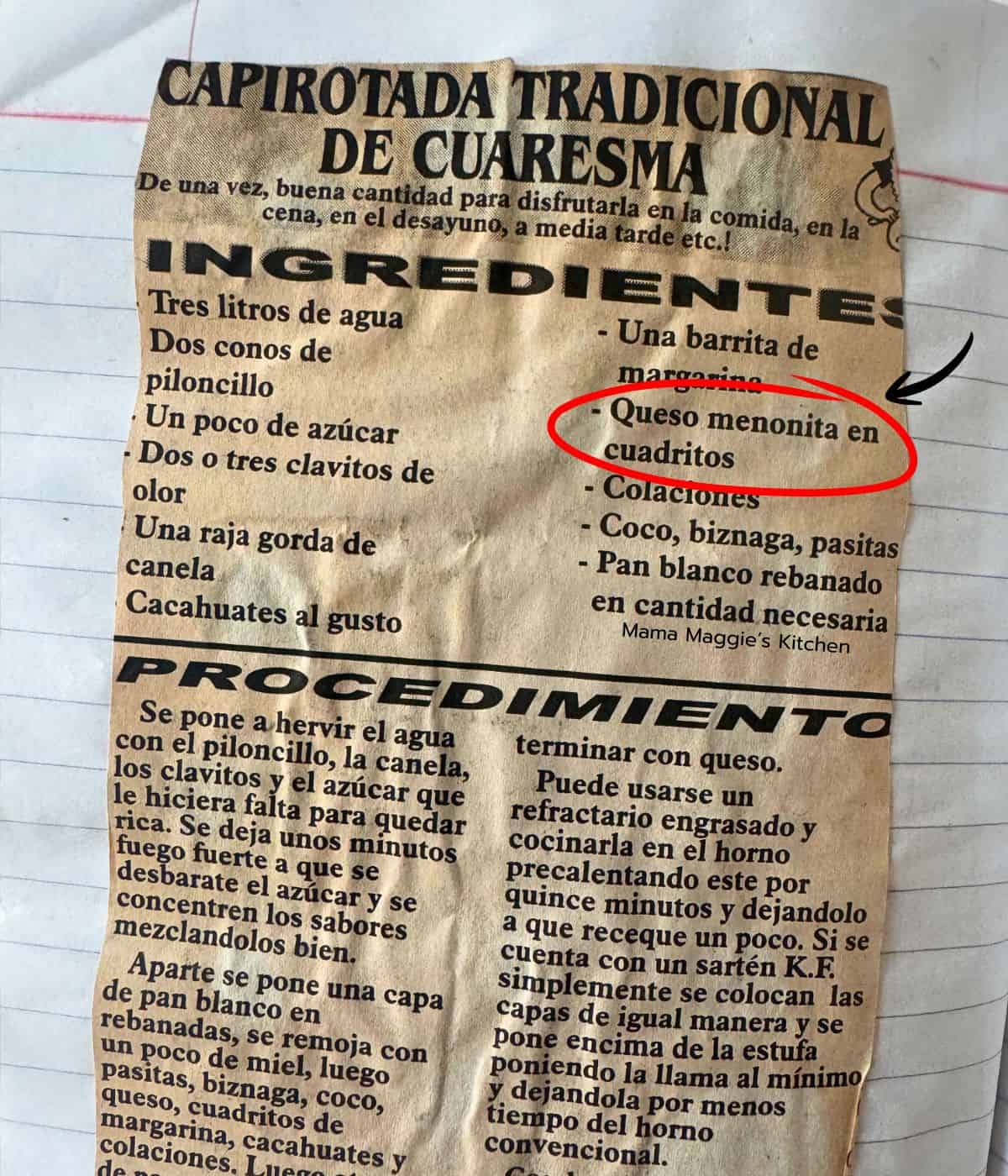
Durango is famous for its cheese, especially queso Menonita and queso añejo. Mennonite communities settled in northern Mexico generations ago and brought their cheese-making traditions with them. Today, their influence remains an important part of Durango’s dairy industry.
My aunt cut out recipes from newspapers and magazines and pasted them into a notebook. She gave me the notebook before she passed away. See above. This particular clipping is from the 1970s. It uses queso Menonita to make capirotada, or Mexican bread pudding.
Canatlán, where my father’s family is from, is known as the Apple Capital of Durango. Every year, local orchards produce apples that become pies, cider, jams, apple empanadas, and other delicious treats.
Fruit preserves have also been part of Durango’s history for generations. Families turned quince, apricots, peaches, and figs into jams, jellies, and thick fruit pastes called ate.
More Traditional Foods from Durango
Durango is home to many other tasty recipes, including:
- Machaca con Huevos, made with dried shredded beef scrambled with eggs. My mom used to make burritos filled with machaca con huevos. So good!
- Mexican Gorditas, thick corn pockets stuffed with meat, beans, or sauce that were once a favorite meal for ranchers and field workers. Gorditas are a beloved part of Durango’s food culture. You can find them at many restaurants or local food vendors.
- Beef Chile Pasado, made with beef, potatoes, and chile pasado, a dried chile that’s unique to Durango and Chihuahua. Also try this dish with pork.
- Enchiladas Dulces, a sweet-and-savory dish made with tortillas coated in a rich chocolate sauce. They’re my son’s favorite kind of enchiladas.
- Durango Burritos, made of tender shredded beef in a rich salsa verde sauce and wrapped in a warm flour tortilla. It includes mayo. This was one of my favorite dishes my mom used to make me as a kid.
- Gorditas de Azucar, a sweet Mexican griddle cake that is ready in minutes. In Durango as a kid, if my mom, my aunts, or my grandma hadn’t made them, we could buy them at the corner store for a few pesos. It was always a big treat especially with cajeta.
- Durango Burger, food stands throughout Durango City sell these amazing burgers. They’re packed with a thin beef patty, ham, cheese, pineapple and more. It’s a must each time I visit Durango.
These dishes are just a taste of Durango’s culinary traditions. As I continue documenting my family’s recipes and the food history of the region, I’ll be adding more Durango dishes here.
A Taste of Durango’s History
Durango’s food tells the story of the people who lived there: Indigenous communities, Spanish-Basque settlers, ranchers, miners, and railroad workers. Every generation added something new while holding onto traditions that still appear on the table today.
These recipes may not be as famous as birria, but they deserve a place in every conversation about Mexican food. Every time I make one of these dishes, I’m reminded that I’m not just cooking dinner. I’m keeping a little piece of my family’s history alive.
😋 Hungry for More?
Be sure to subscribe to my newsletter and follow along on Facebook, Instagram, Pinterest, YouTube for my latest recipes and videos.

This whole story fascinates me. I had no idea that there was such a strong connection to the Spanish-Basque prople. And it makes sense to me that there would be an indigenous influence on Durango cuisine.
Yes. Durango has amazing food because of its location and the people who lived/ live there. Thank you for your comment!