

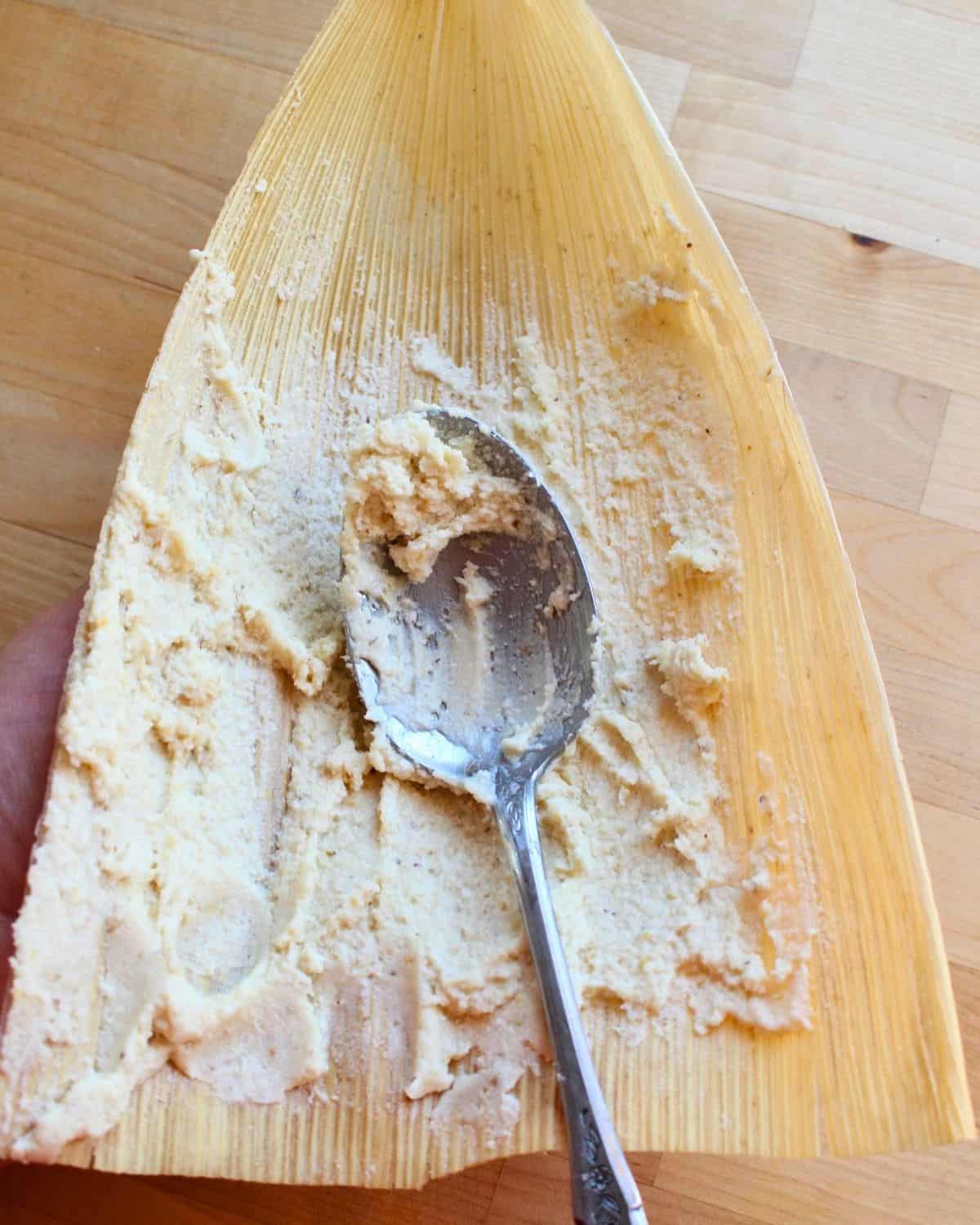
Masa for Tamales (Tamale Dough Recipe) 🫔 is an easy recipe for making soft, flavorful tamale dough with masa harina, lard or shortening, broth, baking powder, and salt. This traditional Mexican masa is easy to spread onto corn husks and works with your favorite savory tamale fillings.
I’ve been making tamales with my family for years, and I’ll show you how to make masa for tamales with shortening, get the right consistency, and troubleshoot common problems so your homemade tamales turn out tender.
My grandmother was famous for her Tamales Rojos. They’re a must try!
Why You’ll Love This Recipe ❤️
- Easy to make. A stand mixer or hand mixer makes whipping the fat and mixing the masa straightforward.
- Soft and spreadable. The right balance of fat and liquid helps create tender masa that’s easy to spread onto corn husks.
- Make it your own. Use lard for traditional flavor, shortening as an alternative, and broth to add more flavor to savory tamales.
- Perfect for tamale season. Make a batch for family tamaladas, Christmas gatherings, or whenever you’re craving homemade Mexican tamales.

-Maggie
What Is Masa for Tamales?
Masa for tamales is a soft corn dough spread onto corn husks, filled, wrapped, and steamed. It’s typically made with masa harina, fat such as pork lard, liquid, and seasonings.
Masa harina is the dried corn flour you mix with the other ingredients to make the dough. It is different from masa preparada, which is masa that’s already been prepared and may be available at Mexican markets and tortillerías.
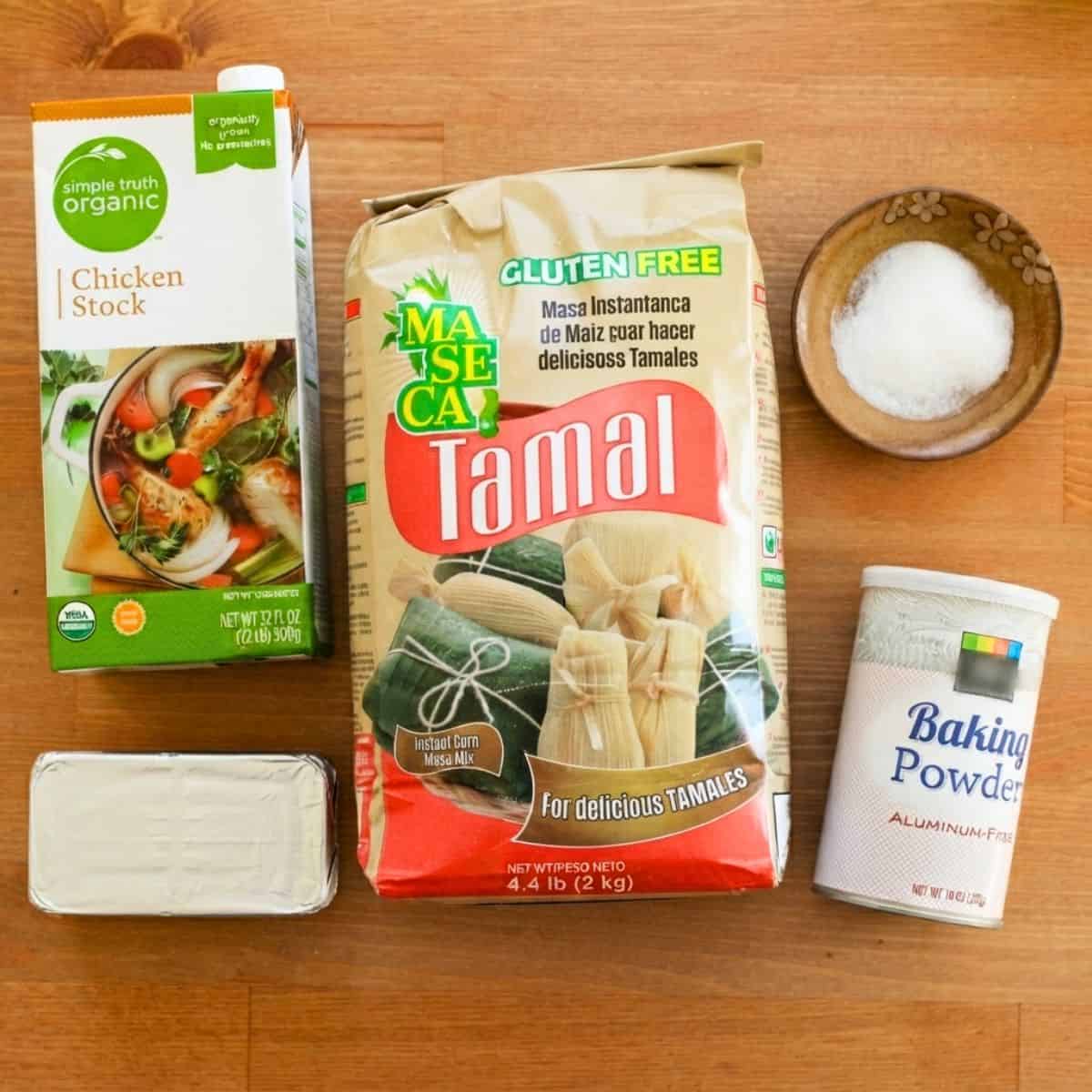
Ingredients You’ll Need
Masa Harina
- Use masa harina made specifically for tamales. Maseca is one popular brand, but there are other brands available.
- Masa harina for corn tortillas and masa harina for tamales are not always interchangeable. Tamale masa harina is typically formulated to create the right texture for a soft, tender tamale dough.
- Masa harina is also used to make Mexican gorditas, tlacoyos, and Mexican sopes.
Warm Liquid
- You can use warm water for a basic masa.
- For more flavorful savory tamales, I recommend using chicken broth, pork broth, beef broth, or vegetable broth.
- You can also use some of the cooking liquid from your meat filling. This is one of my favorite ways to add extra flavor to the masa.
Pork Lard vs. Vegetable Shortening (Which is Best?)
- Traditional pork lard gives an authentic flavor and a rich, melt-in-your-mouth tenderness. Vegetable shortening is a fantastic alternative that whips up into a light, fluffy, and easy-to-spread dough.
- If you’d rather make tamale masa without it, see my masa with oil.
Baking Powder
- Baking powder helps give the masa a lighter texture.
Salt
- Salt brings all the flavors together. If you use unsalted broth, you may need to adjust the amount of salt.
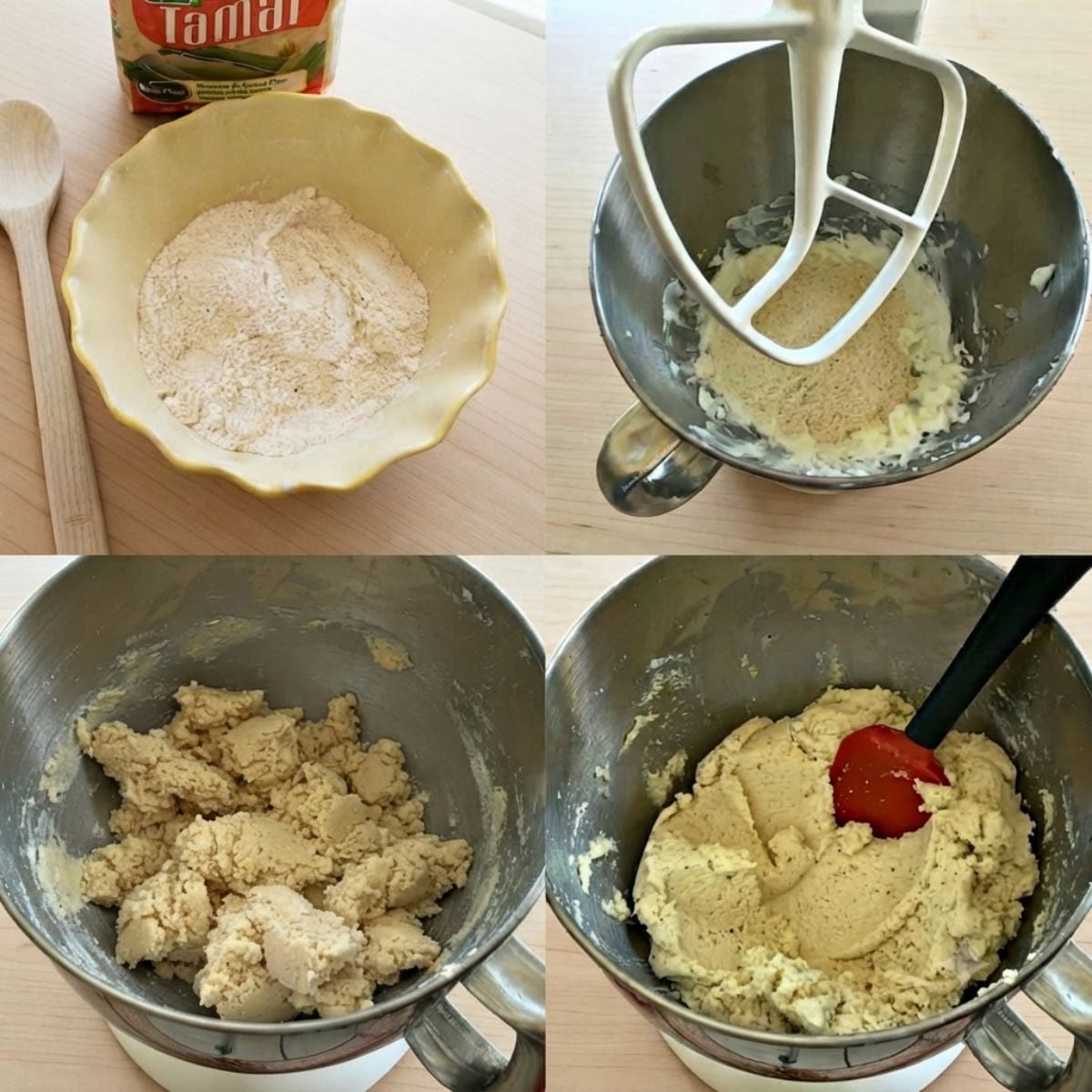
🥣 How to Make Masa for Tamales
1. Whip the Shortening
- Start by adding the vegetable shortening to the bowl of a stand mixer.
- Using the paddle attachment, whip the fat until it becomes light and fluffy.
- You can also use a hand mixer.
- Once the fat is whipped, set it aside.
- Traditionally, tamale masa is made with lard. Lard is used in both savory and sweet tamales and helps create a soft, tender texture.
2. Mix the Dry Ingredients
- In a large bowl, combine the masa harina, baking powder, and salt.
- This is a basic tamale masa recipe, so there are no spices in the dough.
- That’s intentional.
- The flavor of the masa can come from your filling and the broth or cooking liquid you use.
3. Add the Masa Harina Mixture
- Add some of the dry masa harina mixture to the whipped lard or shortening.
- Mix on low speed using the paddle attachment, then gradually increase the speed to medium.
- Continue adding the masa harina mixture a little at a time.
- You want the mixture to become light, creamy, and fluffy.
- Think of the texture of soft cookie dough.
4. Add the Liquid
- Slowly add warm water or broth to the masa mixture.
- Alternate between adding the liquid and the remaining masa harina mixture.
- Continue mixing on low speed, scraping down the sides of the bowl as needed.
- Keep adding liquid and masa harina until you reach the right consistency.
- The finished masa should be soft and spreadable—not dry, stiff, or crumbly.
- For savory tamales, I recommend using chicken broth, pork broth, beef broth, or vegetable broth.
- You can also use the flavorful cooking liquid left over from cooking your meat filling.
5. Do the Float Test
- This is the part that always gets people talking: the float test!
- Take a small spoonful of prepared masa and drop it into a glass of water.
- If the masa floats, it’s ready to use.
- There is no need to be afraid of over-mixing your masa here. Continue beating it until it becomes light enough to float.
- If your masa isn’t floating, it may need more whipping or additional fat.
- Note: The float test is a traditional kitchen test, but it isn’t the only way to judge your masa. The most important thing is that the dough has a soft, light, spreadable consistency.
Once your masa is ready, it’s time to spread, fill, fold, and steam your tamales!
For leftover masa, make champurrado. It goes perfectly with tamales.

🤔 What Should Masa for Tamales Look Like?
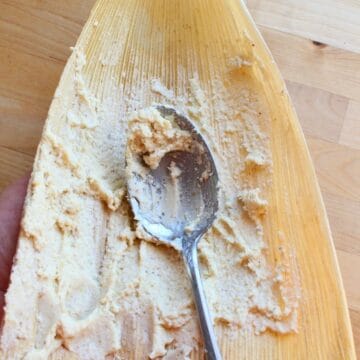
Tamale masa should be soft, moist, and easy to spread across a soaked corn husk. It should hold together without being stiff, crumbly, or runny.
- Too dry: The masa feels stiff or cracks when you spread it. Add warm broth or water a little at a time.
- Too thick: The masa is difficult to spread evenly. Add a small amount of liquid and mix again.
- Too wet: The masa is loose and difficult to spread in an even layer. Add a little masa harina intended for tamales, if needed, and mix thoroughly.
- Just right: The masa spreads easily and stays in an even layer on the husk without running off.
👩🏼🍳 Tips for Making Masa for Tamales
- Grab a couple of friends and have a tamalada, or tamale party. It will go quicker with friends.
- If your masa for tamales is grainy, add more liquid and more fat (shortening or lard, whatever it is you are using).
- Grainy also means it’s the wrong masa harina. Make sure the masa harina is FOR TAMALES.
- If the masa is too stiff, add more liquid (whatever broth or water you are using).
- If you run out of broth, use water but adjust the salt by adding more.
- If you run out of shortening or lard, you can add oil. Be careful what type of oil you add. Olive oil will change the flavor.
- Have your filling and masa for tamales ready to go.
- Soak the corn husks the night before.
- Make as many tamales as you can and freeze them.
- Invest in a good steamer.
🙋🏻♀️ Frequently Asked Questions
To make masa for tamales with lard, whip the lard until light and fluffy. Gradually mix in masa harina, baking powder, salt, and warm broth or water until the dough is soft and easy to spread.
Choose masa harina specifically labeled for tamales. Different brands can absorb liquid differently, so adjust the liquid as needed to achieve a soft, spreadable dough.
Yes. Depending on your recipe, vegetable shortening or oil can be used instead of lard. The flavor and texture may differ from traditional lard-based masa.
Masa harina is dry corn flour that you mix with liquid and other ingredients. Prepared masa, or masa preparada, is already-mixed dough that may be sold at Mexican markets and tortillerías.
Your masa may need more liquid or fat. Add warm broth or water gradually, along with a little additional lard or shortening if needed.
Grainy masa can be caused by an incorrect type of masa harina, not enough liquid, or not enough fat. Make sure you’re using masa harina intended for tamales and adjust the liquid and fat as needed.
The masa should be soft, light, and easy to spread onto a soaked corn husk. You can also use the traditional float test by dropping a small amount of masa into water. If it floats, it’s ready.
Masa can be frozen in an airtight, freezer-safe container, although its texture may change. Thaw it in the refrigerator and mix it again before using, adjusting the liquid if necessary.
If your masa fails the float test, it usually means the fat hasn’t been whipped enough or the dough is too dense. Return the dough to your stand mixer and beat it on medium-high speed for another 2–3 minutes, adding an extra tablespoon of melted lard or warm broth if it feels dry.
🫔 What Can You Make With This Tamale Masa?
- Pork and beef tamales: Instant Pot Pork Tamales, Beef Tamales, Turkey Tamales.
- Chicken and savory tamales: Green Chicken Tamales, Red Chicken Tamales, Pickled Jalapeño and Cheese Tamales, Vegetable Tamales.
- Sweet and traditional varieties: Tamales Dulces, Tamales de Elote, Bean Tamales.
I’ve been making tamales for as long as I can remember. Some of my favorite memories are making them with my grandmother, cousins, and family in Durango, Mexico, especially during Christmas and the posadas.
Now I get to share that tradition with my own family—and put my son and husband to work, too! 😂 My son would probably tell you that his favorite part of the tamale-making process is eating them. Honestly, I can’t blame him.
I hope this Masa for Tamales recipe becomes part of your family traditions, too.
How to Make Masa for Tamales (Tamale Dough Recipe)
Ingredients
- ⅔ cup lard (or shortening)
- 2 cups masa harina 20 ounces (for tamales)
- 1 ½ teaspoon salt
- 1 teaspoon baking powder
- 1 ¾ cups hot water (or chicken broth)
Instructions
- Beat the lard with your mixer until smooth. About 2 minutes.
- In a large bowl, combine the masa, salt, and baking powder.
- Add the dry ingredients in small batches to the mixer.
- Alternate with the water until completely mixed.
- Beat until smooth, and scrape down each time.
- Continue mixing until the masa is smooth and soft. Scrape down the sides of the bowl as needed.
- The masa should be soft, smooth, moist, and easy to spread. It should not be stiff, dry, or crumbly.
Video
Notes
- 8 cups masa harina
- 2½ cups lard or shortening
- 7 cups chicken broth or water
- 5 teaspoons salt
- 4 teaspoons baking powder
- 16 cups masa harina
- 5 cups lard or shortening
- 14 cups chicken broth or water
- 10 teaspoons salt
- 8 teaspoons baking powder
- You can use all water and omit the chicken broth. You can also use the broth from the cooked meat filling.
- If you run out of shortening or lard, you can also use oil. Be careful on what type of oil. Some oils such as olive oil will change the flavor of the masa and the tamales.
- This is a basic masa recipe. Add spices to flavor the masa. See post for suggestions.
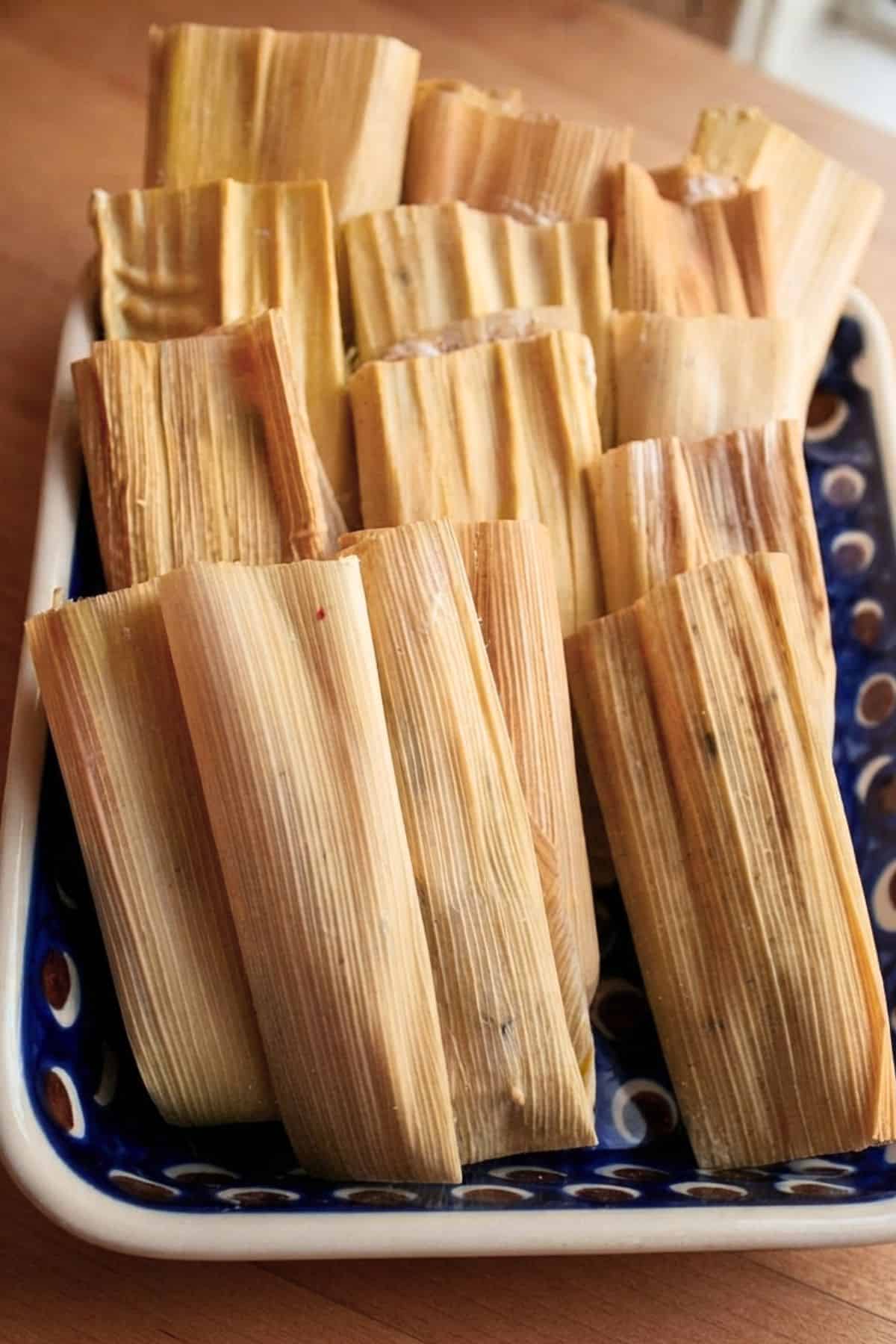
- Tamales last 5 days in the refrigerator.
- Tamales last 6 months in the freezer.


Homemade tamales are truly amazing. I really loved the video that showed how easy it was to make the masa — so much easier than I expected!
Making masa for tamales is not hard. Glad you found the video useful.
Wow this recipe looks so flavoursome and delicious and I can’t wait to make this for me and my family this weekend! Thank you for sharing this recipe!
Glad you liked it. Thanks for your comment.
this was my first time making my own masa, and i found your recipe easy and straightforward, my tamales turned out perfectly delicious!
Glad you enjoyed this recipe.
How long should I cook my tamales?
It depends on the tamales filling. Most will take 1 1/2 hours to cook. It can take up to 2 hours. If they are not cooked after 2 hours, turn the heat off, lid on, and leave them in there for a 1/2 hour. Masa hardens as it cools.
Oh no. Haha. You didn’t make your own masa. You just hydrated powdered masa. Making your own masa would start with whole corn that you would treat and grind yourself. Actually this looked like it would be legit but it’s just another recipe from pre-ground, pre-nixtamalized corn flour. No one who made tamales with this recipe actually made tamales from scratch. Sad what passes for homemade
I understand your disappointment, but there are different ways to make masa for tamales. Although the traditional method is to make masa from whole corn, it can be a laborious and time-consuming process. This recipe is adapted for making masa at home using masa harina, especially when you don’t have space or access to a grinder. Also, nixtamalizing corn at home can be risky if you are unfamiliar with the process and, if done incorrectly, can spoil the corn. So, while making masa with whole corn is a great experience, using masa harina is a great alternative that still produces delicious tamales.
This is so disrespectful of a comment on here. My mom and my nana have made tamales with premade masa for years; they just tweak it and add certain ingredients to make it their own. No one has ever questioned the authenticity or flavor. People from Mexico have their own recipes they use for generations; whether it be making the tamales starting out with fresh corn, using masa harina, or using premade masa.
Thank you! I appreciate you sharing that. I completely agree!
Masa and tamales are new to me, thank you for this detailed post. You have explained so well, can’t wait to try this in my kitchen too 🙂
Thanks for your comment. Hope you make this recipe soon.
Thanks for this super useful guide to making masa for tamales. I have bookmarked it for future use. Going to use it for vegetarian tamales.
This masa was so tasty and your directions were so easy to follow. I’ll be making them again for our Christmas Eve celebration.
Thanks. Gracias.
I’ve been using your tamale recipes for years. They always work and my tamales come out better than my favorite Mexican restaurant. Thanks for sharing such ah-mazing and easy to follow recipes!
Thanks for your comment.
This was such useful information!! I am so excited to make this over and over, thank you so much for this how to! 🙂
Hope you make this recipe soon. Thanks for your comment.
Awesome! Great post, this will definitely help anybody to make these incredible Tamales. I’m just thinking about this and I see your post, such a time for me. Thanks, will post after!
So glad you liked this recipe! Thanks for your comment.
I am a newbie tamale maker and this recipe not only helped me learn how to make them the correct way but they turned out amazing! Super helpful information in here. Thanks so much!
You just made my day! I’m so happy this recipe helped you.